Tesla’s Terafab Vision Sparks Industry Debate; Advanced Packaging Emerges as Key Entry Strategy
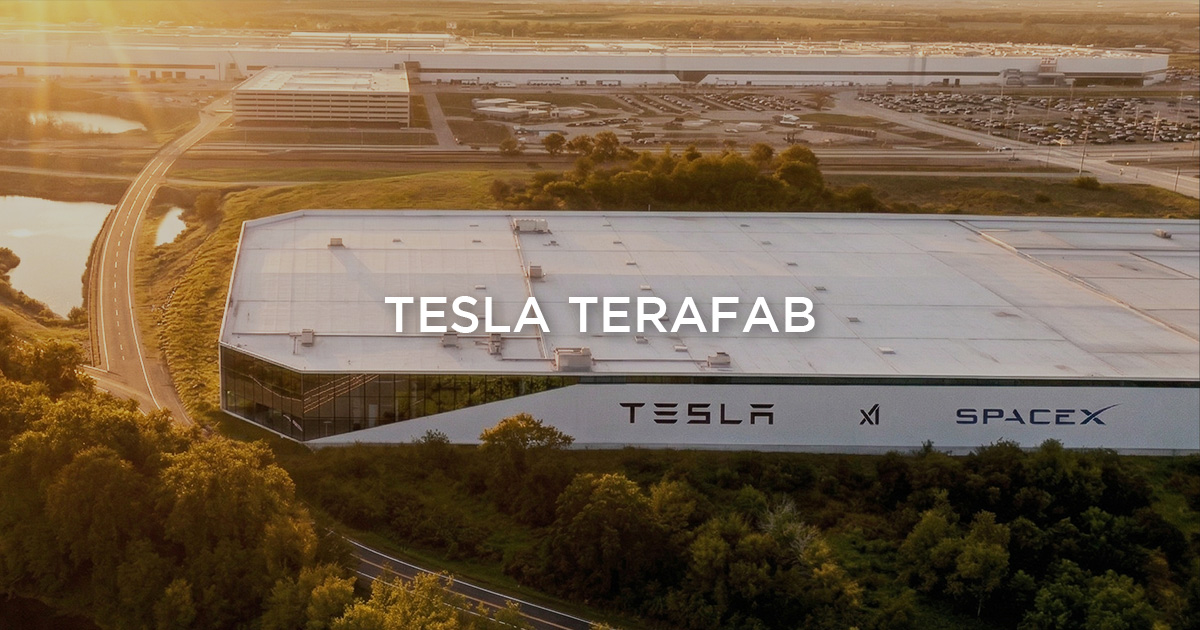
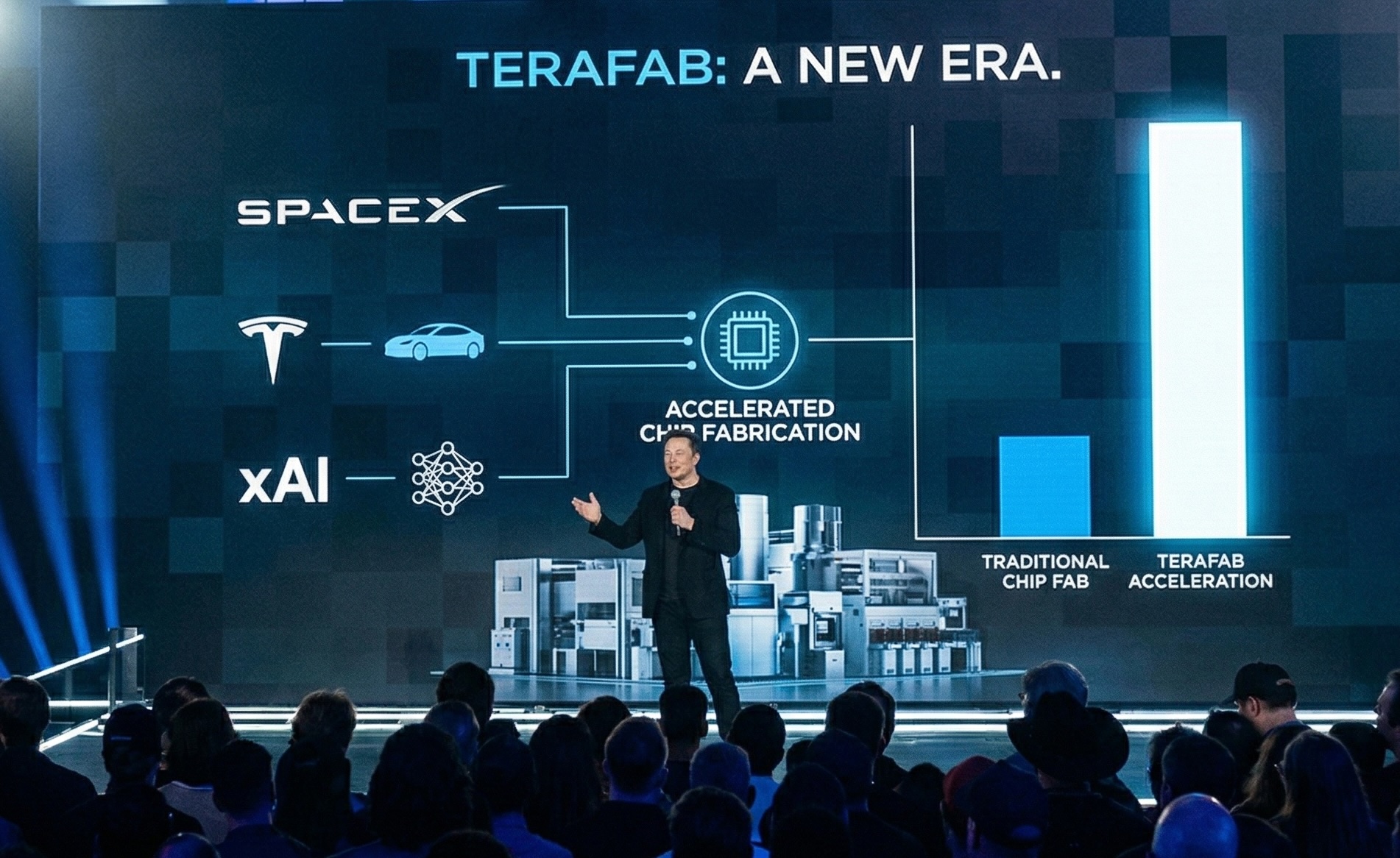
Tesla CEO Elon Musk recently unveiled the “Terafab” mega-fab vision, aiming to integrate logic chips, memory, and advanced packaging capabilities. The announcement has triggered widespread industry discussion over whether such an initiative could eventually impact leading foundry TSMC.
From an industry perspective, entering directly at the 2nm node would present extremely high barriers for any new entrant. As semiconductor technology transitions from FinFET to GAAFET architectures, the manufacturing ecosystem requires comprehensive upgrades across materials, equipment, and process integration. Each step becomes highly sensitive, where even minor deviations can lead to significant yield loss. This highlights that competition at advanced nodes is not merely about capital investment, but also about long-term accumulation of process expertise, data, and manufacturing experience—areas where TSMC maintains a well-established advantage.
Equipment supply represents another major constraint. Advanced EUV lithography systems are controlled by a limited number of suppliers, characterized by high costs and long lead times. In parallel, the U.S. semiconductor ecosystem still faces gaps compared to Asia in engineering talent depth, fab construction experience, and supply chain maturity, further complicating Terafab’s execution.
Against this backdrop, advanced packaging is widely viewed as the most viable entry point for Tesla. With AI chip demand surging, one of the current bottlenecks lies in limited packaging capacity. By establishing packaging lines domestically, advancing panel-level packaging technologies, or collaborating with external partners, Tesla could secure backend capabilities, reduce reliance on existing suppliers, and enhance supply chain control.
In terms of competitive impact, Terafab is unlikely to pose a meaningful threat to TSMC’s leadership in advanced-node manufacturing in the short term. However, over the medium to long term, a “partially in-house, partially collaborative” model could reshape supply chain dynamics, particularly by strengthening large customers’ bargaining power. Even without becoming a fully vertically integrated fab, Terafab could serve as a strategic lever for Tesla to enhance chip autonomy.
It is also worth noting that Elon Musk stated Tesla, SpaceX, and xAI will continue sourcing chips from existing suppliers, including TSMC, Samsung, and Micron, while expressing hope that these partners will continue expanding capacity. No clear timeline has been disclosed for Terafab’s production ramp or output targets.
Regarding product focus, Terafab is expected to target two primary chip categories. The first includes edge AI chips designed for electric vehicles and the Optimus humanoid robot, optimized for inference and real-time computing. The second is the “D3” chip, intended for low-Earth-orbit AI satellites, engineered to operate reliably in extreme space environments.
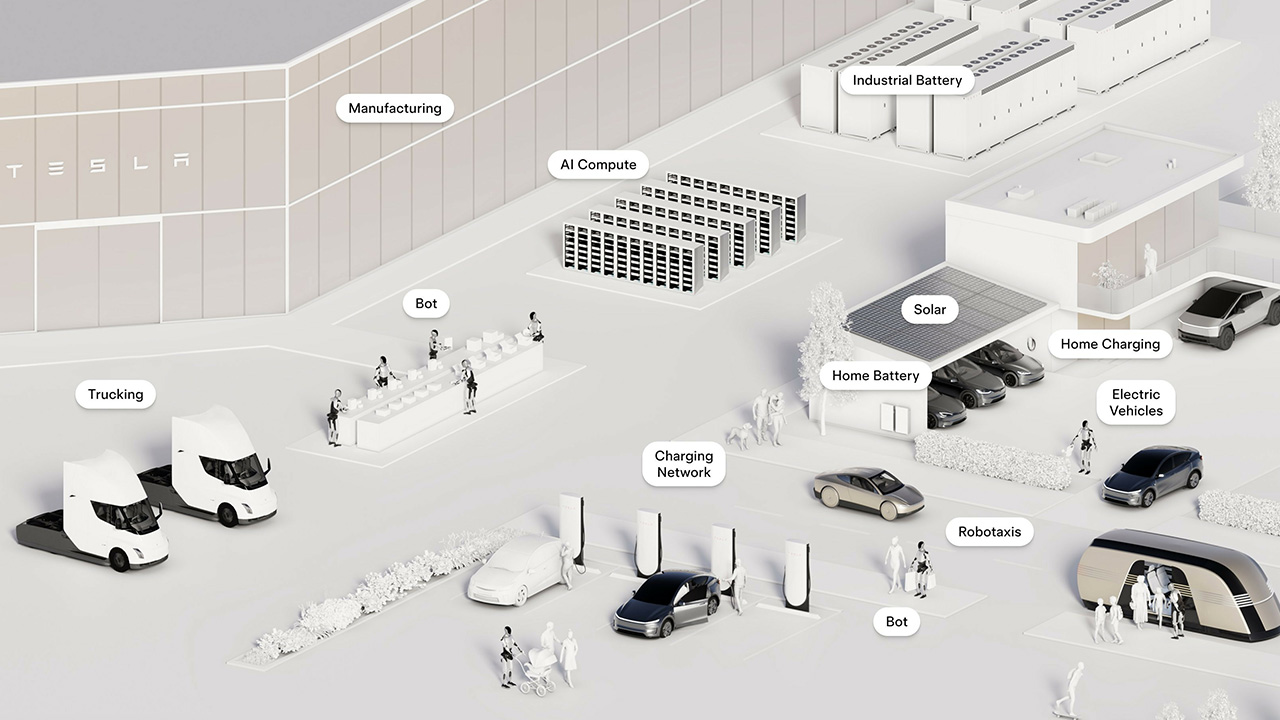
Overall, while Terafab is unlikely to disrupt the existing semiconductor landscape in the near term, its strategic direction could gradually reshape global supply chain dynamics and competitive relationships in the years ahead.